
Il Grande Miraggio della Migrazione Cestistica

Nel 1894, Raffaello Gambogi dipingeva “Gli Emigranti”, catturando lo sguardo malinconico e carico di speranza di chi lasciava le coste italiane per cercare fortuna nelle Americhe. Oggi, nel 2026, i porti sono sostituiti dai gate degli aeroporti e le valigie di cartone dalle borse tech cariche di scarpe firmate, ma il sentimento è lo stesso.

Stiamo assistendo a una migrazione di massa dei nostri migliori talenti verso l’NCAA. Ma dietro le luci dei campus d’élite e le promesse del “Sogno Americano”, si nasconde una realtà tecnica e psicologica molto più complessa: il grande miraggio della crescita garantita.


🃏 La “Caccia alla Figurina”: Quando il Talento diventa un Asset

Il recruiting collegiale americano è cambiato. Con l’avvento dei dati avanzati e dei software di scouting globale, le università americane sono diventate dei veri collezionisti di figurine.

Spesso, un giovane talento italiano viene scelto non per un progetto tecnico organico, ma per la sua “futuribilità” atletica o per una singola prestazione decente catturata in un video virale. In molti casi, il ragazzo non viene reclutato per essere il cuore del team, ma per completare il roster o per alzare il livello fisico degli allenamenti.

“Il rischio è passare dall’essere il perno del proprio vivaio in Italia — dove ogni possesso passava dalle tue mani — a diventare un ‘corpo’ sacrificabile nelle sessioni video altrui. L’ottimizzazione del talento richiede minuti di campo, non solo una borsa di studio.”


🏗️ La Trappola delle Strutture: I Pesi non insegnano a Leggere il Gioco

È la grande illusione del 2026: “In America hanno palestre avanti anni luce, quindi crescerò meglio”.

È innegabile che le facilities americane siano superiori, ma da Match Analyst, devo essere brutale: le infrastrutture non giocano le partite. Passare 40 minuti in una sala pesi all’avanguardia o tirare 500 canestri contro una macchina automatica non può sostituire la battaglia vera di un campionato senior europeo.

La crescita tecnica di un giocatore tra i 18 e i 21 anni avviene attraverso il “vissuto”: imparare a gestire un raddoppio, leggere una stagger screen, sentire la pressione di un possesso decisivo in un palazzetto caldo. Tutto questo, dalla panchina di un college, non si impara.


🔙 Il Paradosso del Ritorno: Il Naufragio Tecnico

La statistica è impietosa. Per ogni Dame Sarr che trionfa a Duke, ci sono decine di ragazzi che, dopo una o due stagioni ai margini, staccano un biglietto di ritorno.

Cosa succede a questi ragazzi quando atterrano in Italia? Spesso si ritrovano in un limbo. Hanno perso anni fondamentali di agonismo reale. Tornano con un fisico imponente, ma con un’involuzione nel ritmo gara che li rende inadatti, nel breve periodo, ai massimi campionati. Aver cercato la fortuna oltreoceano senza un piano B tecnico rischia di far perdere loro il treno del professionismo proprio nel momento cruciale.


🧠 Lo Shock Psicologico: Gestire il “Fallimento Percepito”

Dal punto di vista della Psicologia dello Sport, questo è il punto più critico. Partire come la “Next Big Thing” e tornare dovendo lottare per un posto in Serie B o A2 viene spesso vissuto come un fallimento personale.

Basandomi sui miei studi al Barça Innovation Hub, sappiamo che la gestione delle aspettative è fondamentale. Senza un Mindset da “Everyday Guy”, capace di accettare la realtà e ricominciare a lavorare nel fango dei campionati minori, il rientro dall’America diventa un naufragio emotivo.


Di chi è la colpa? Un Sistema Italiano senza Alternative

Sarebbe troppo facile incolpare i ragazzi. La verità è che l’NCAA oggi offre una proposta imbattibile: strutture, visibilità e i soldi del NIL.

In Italia, siamo di fronte a un fallimento sistemico:

  1. Mancanza di Spazio: Troppe squadre senior preferiscono l’usato sicuro allo sviluppo del giovane.
  2. Mancanza di Infrastrutture: I nostri settori giovanili fanno miracoli con risorse limitate.
  3. Mancanza di Progetti: Un giovane resta se vede una strada chiara per diventare un giocatore di Serie A. Se quella strada è bloccata, il volo per gli USA diventa l’unica via di fuga.

Oltre la denuncia: 4 pilastri per cambiare rotta

Se vogliamo che l’Italia torni a essere una terra di opportunità e non solo una sala d’attesa per l’aeroporto, dobbiamo smettere di guardare con invidia oltreoceano e iniziare a costruire qui. Ecco da dove potremmo ripartire:

  1. Campionati di Sviluppo (U23) Realistici: Dobbiamo creare una terra di mezzo tra le giovanili e il professionismo senior. Una lega di transizione dove il risultato conti, ma dove il minutaggio dei giovani sia garantito e protetto. I ragazzi devono poter sbagliare senza che il loro coach rischi il posto.
  2. Incentivare il Coraggio Tecnico: Il sistema dei premi per l’utilizzo dei giovani va rivoluzionato. Non basta un contributo economico simbolico; serve premiare — anche in termini di ranking e carriera — quegli allenatori che dimostrano di saper inserire stabilmente i talenti nelle rotazioni, trasformandoli da “decimi uomini” a protagonisti.
  3. Defiscalizzazione e Infrastrutture: Non possiamo competere con i campus americani se le nostre società lottano per avere un’ora di palestra comunale riscaldata. Servono incentivi fiscali pesanti per chi investe in foresterie, centri sportivi di proprietà e tecnologie di analisi (Video & Data).
  4. Modernizzazione del Modello Europeo: Dobbiamo trovare una nostra versione del NIL. Permettere ai ragazzi di monetizzare la propria immagine e trovare sponsor personali restando nel club di formazione. Se il gap economico con gli USA resta incolmabile, la fuga sarà sempre l’opzione più logica.

Conclusioni: Radici contro Ali

Dobbiamo smettere di essere solo “formatori” che guardano i propri figli partire. Dobbiamo diventare “valorizzatori”. L’NCAA deve essere una scelta d’eccellenza per pochi, non un rifugio disperato per molti.

Il futuro del basket italiano non si gioca in America, ma nella nostra capacità di costruire percorsi che rendano il restare una scelta vincente. Il talento ha bisogno di ali per sognare, ma senza radici solide nel parquet di casa, rischia solo di perdersi nell’oceano.

L’Hustle parte dalla mente. Il cambiamento parte da noi.


Se sei un giovane giocatore, un genitore o un coach che si trova di fronte a questa scelta, non guardare solo le foto su Instagram dei palazzetti. Guarda il tabellino dei minuti giocati. Chiediti: “Questo percorso mi sta trasformando in un giocatore o in una figurina?”.

Tu cosa ne pensi? Il sogno americano vale il rischio dell’involuzione tecnica? Parliamone.

Oltre il Talento: La Filosofia dell’ “Everyday Guy” nel Basket Moderno


Nel mondo del basket, siamo spesso ossessionati dai “picchi”. La schiacciata da highlight, il trentello improvviso, il canestro sulla sirena. Ma se chiedete a un coach di alto livello quale sia il giocatore su cui scommetterebbe la propria carriera, la risposta non sarà “quello che segna di più”, ma “l’Everyday Guy”.

Ma cosa significa davvero essere un “Everyday Guy”? È solo un modo romantico per descrivere chi si impegna, o c’è una scienza dietro la costanza?

In questo articolo, voglio analizzare questo concetto attraverso le lenti della mia esperienza: quella del parquet, quella dei dati e quella della psicologia d’élite.


1. Il “Comfort” in Panchina: La Prospettiva del Coach

Come Allenatore FIP , la mia percezione della partita cambia drasticamente in base a quanti “Everyday Guys” ho nel roster.

L’Everyday Guy è quel giocatore che “si presenta” ogni giorno. Non parlo di presenza fisica, ma di presenza mentale. È colui che esegue un tagliafuori con la stessa ferocia sul +20 o sul -20. Per un allenatore, questo giocatore rappresenta l’ottimizzazione del rischio: sai esattamente cosa otterrai da lui. Non ha “giornate no” nell’intensità. Se il talento è il soffitto di un giocatore, la sua costanza come Everyday Guy è il suo pavimento. E i campionati si vincono alzando il livello del pavimento.


2. La Scienza della Costanza: Insight dal Barça Innovation Hub

Essere costanti non è un atto di volontà eroica, è un processo psicologico. Durante i miei studi presso il Barça Innovation Hub (nelle specializzazioni di Sport Psychology for Athletes Development e Psychology for Sports Coaches), ho approfondito il concetto di Autoregolazione.

L’Everyday Guy eccelle in quella che definiamo Compartimentalizzazione. Ha la capacità di chiudere fuori lo stress esterno, la stanchezza o la frustrazione di un errore precedente per focalizzarsi sul compito presente. Non gioca per l’emozione del momento, ma per lo standard di eccellenza che ha imposto a se stesso. Dal punto di vista della psicologia della performance, la costanza è una competenza che si allena attraverso la gestione delle routine e la resilienza cognitiva.


3. Identificare l’Invisibile: Il Ruolo del Match Analyst

Da Match Data Analyst certificato CONI, il mio lavoro è tradurre l’energia in numeri. L’Everyday Guy è spesso l’eroe dei “Non-Box Score Stats” o delle cosiddette Hustle Stats.

Quando analizzo i video, non cerco solo chi fa canestro. Cerco:

  • Deflections e palle deviate: Segnali di un’attività difensiva costante.
  • Contestazioni dei tiri: Chi salta sempre, non solo quando è fresco.
  • Sprints in transizione: Chi corre con la stessa velocità al 1° e al 40° minuto.

I dati avanzati di impatto (come il Real Plus-Minus) spesso premiano questi giocatori perché la loro sola presenza in campo alza l’efficienza difensiva del team. L’Everyday Guy rende i compagni migliori perché “copre i buchi” che il talento puro a volte lascia scoperti.


4. La Prospettiva del Fischietto: Perché l’Arbitro “si fida” dell’Everyday Guy

C’è un aspetto di cui si parla poco: come l’affidabilità di un giocatore influenzi l’arbitraggio. Nella mia esperienza come Ex Arbitro FIP, posso dirvi che l’Everyday Guy è il giocatore preferito da arbitrare.

Perché? Perché è prevedibile nel suo comportamento professionale. Un giocatore incostante è spesso frustrato, protesta in modo erratico e crea tensione. L’Everyday Guy, invece, rispetta il processo. La sua costanza mentale lo porta a focalizzarsi sul gioco, non sugli arbitri. Questo crea un clima di rispetto reciproco sul campo che permette alla partita di fluire meglio. Anche senza volerlo, la reputazione di un giocatore costante “compra” credibilità agli occhi della terna.


Conclusione: Il Tuo Standard è il Tuo Destino

Che tu sia un giovane talento che punta al Draft NBA 2026 o un giocatore della domenica, la domanda è la stessa: sei un Everyday Guy?

Il talento ti può portare dentro la palestra, ma è il tuo Mindset “quotidiano” che decide quanto tempo ci resterai. In Hoop Hustle Mind, crediamo che l’Hustle non sia un evento isolato, ma uno stile di vita.

L’ottimizzazione della tua performance parte da una scelta: presentarti ogni giorno con la versione migliore di te stesso. Anche quando non ne hai voglia. Soprattutto quando non ne hai voglia.

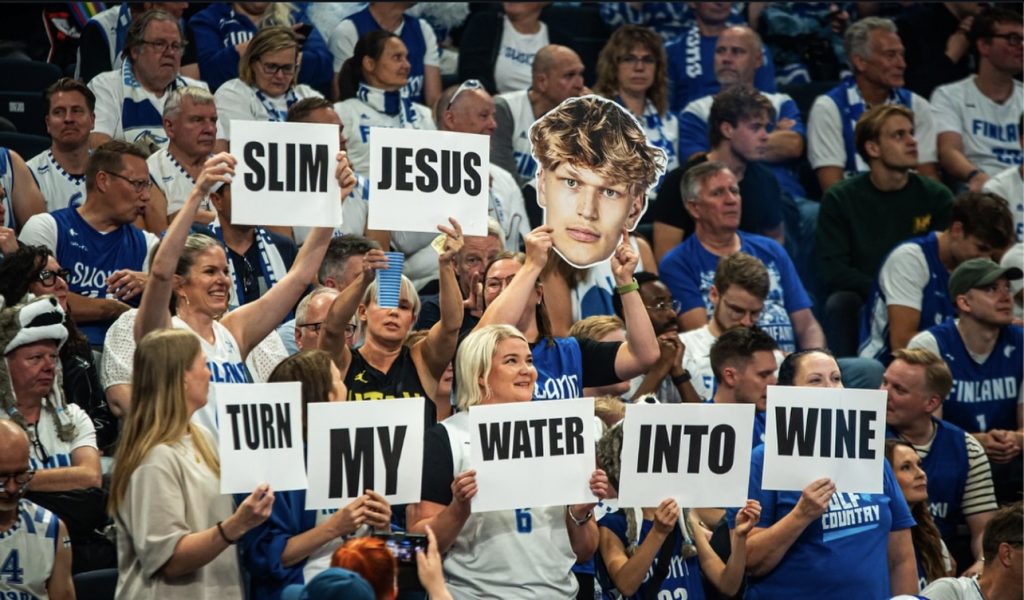
Will the Real Slim Jesus Please Stand Up?

EuroBasket 2025 has found its unlikely new star: Miikka Muurinen, the 18-year-old Finnish forward who went from being a hidden gem known only to scouts into a viral sensation in just a few games. His thunderous two-handed dunk against Serbia became one of the most shared highlights of the tournament, racking up millions of views within hours and turning him into the breakout face of this summer’s basketball spectacle.

But it wasn’t just the dunk. Muurinen’s high-energy style, his slim frame combined with fearless swagger, and his refusal to back down even against superstars like Nikola Jokić earned him a nickname that perfectly captures his aura: “Slim Jesus.” A moniker that speaks both to his lean build and to the almost messianic presence he brings on the floor—symbolizing a new generation ready to shake up European basketball.

Miikka Muurinen was born on March 4, 2007, in Järvenpää, Finland, into a family already steeped in basketball tradition. Both of his parents were professional players who represented Finland at various levels, giving Miikka an early exposure to the sport and a first-hand education in dedication, discipline, and the competitive mindset required to succeed. His mother, in particular, played a hands-on role in his development, coaching him in the fundamentals during his earliest years.

Origins and Family: Roots in Finland

Miikka Muurinen was born on March 4, 2007, in Järvenpää, Finland, into a family already steeped in basketball tradition. Both of his parents were professional players who represented Finland at various levels, giving Miikka an early exposure to the sport and a first-hand education in dedication, discipline, and the competitive mindset required to succeed. His mother, in particular, played a hands-on role in his development, coaching him in the fundamentals during his earliest years.

Growing up in Finland, Muurinen quickly stood out among his peers. His combination of height, agility, and natural court awareness set him apart, making him a prodigy in local youth leagues. Despite his young age, he displayed a fearless attitude—always willing to take over in crucial moments, a trait that would later become his signature on the European stage.

The Finnish basketball culture, which emphasizes team play, fundamentals, and tactical intelligence, helped shape Muurinen’s style. Even as a child, he combined these elements with an innate flair and confidence, foreshadowing the audacious plays that would later make him a viral sensation.

Youth Career and Move Abroad

After dominating youth leagues in Finland, Muurinen took a major step in his basketball journey by moving abroad to further develop his skills. At just 15, he relocated to Spain, a country renowned for producing technically skilled players, where he joined a competitive youth program. This experience exposed him to higher levels of training and international competition, helping him refine his shooting, footwork, and understanding of the game.

In 2024, seeking even greater exposure and preparation for a potential future in the NCAA and beyond, Muurinen moved to the United States to attend Arizona Compass Prep, one of the country’s elite prep schools. There, he quickly became a standout, impressing coaches and scouts with his versatility, basketball IQ, and fearlessness on both ends of the court.

During this time, he participated in high-profile tournaments, including the Nike Youth Basketball League, where he scored 21 points in the final, helping his team claim the championship. His performances earned him recognition as a five-star recruit, ranked among the top 25–30 prospects of the class of 2026, with scholarship offers from powerhouse programs such as Duke, Kentucky, Kansas, North Carolina, UConn, and Arkansas.

The move to the U.S. not only honed Muurinen’s physical and technical skills but also exposed him to a more aggressive, high-pressure style of play, preparing him for the intensity of international competition and the viral spotlight he would later encounter at EuroBasket 2025.

Recent Performances: Prep School and EuroBasket Breakout

Muurinen’s final season at Arizona Compass Prep cemented his reputation as one of Europe’s brightest young prospects. He helped lead his team to victory in the Nike Youth Basketball League, scoring 21 points in the championship game and consistently showcasing his ability to dominate both inside and outside the paint. Scouts noted his versatility as a forward, capable of stretching the floor with a reliable three-point shot while also excelling in pick-and-roll situations and rim protection.

Transitioning to the international stage, Muurinen made his debut with Finland’s senior national team in summer exhibition games, including a narrow 73–70 victory over New Zealand, where he contributed 2 points, 3 blocks, and 1 assist, signaling his potential even in limited minutes.

At EuroBasket 2025, he quickly became a viral sensation. Across four games, he averaged 5 points and 2.3 rebounds per contest, but his impact went beyond the box score. Highlights of his fearless dunks, aggressive drives, and high-energy defense circulated widely on social media, introducing him to a global audience. Key performances against Sweden and Great Britain saw him tally 11 points and 6 rebounds in around 22 minutes, helping Finland reach the quarterfinals.

Although temporarily rested for precautionary reasons due to minor physical strains, Muurinen remained unscathed and highly influential, drawing comparisons to established stars while demonstrating a swagger and audacity that belied his age. His EuroBasket breakout firmly established him as a name to watch for the next generation of European basketball stars.

The Nickname “Slim Jesus” and the Viral Phenomenon

Miikka Muurinen’s nickname, “Slim Jesus,” perfectly encapsulates his persona on the court. It originated from his lean physique combined with a fearless, confident playing style, giving him an almost ethereal presence when attacking the rim or dominating defensively. Finnish NBA star Lauri Markkanen helped popularize the moniker, further cementing Muurinen’s identity as a rising star with both skill and swagger.

The nickname became a viral hook during EuroBasket 2025, as fans and media quickly associated his daring dunks, flashy drives, and fearless defense with a persona that was larger than life. Social media exploded with clips of his most audacious plays, memes, and highlight compilations, drawing attention from basketball enthusiasts worldwide.

What made the phenomenon particularly compelling was not just the highlight-reel plays, but Muurinen’s attitude: he approached games with a bold, unapologetic confidence, often trash-talking or daring top-tier opponents like Nikola Jokić without hesitation. This combination of physical skill, fearless mentality, and media-friendly highlights turned “Slim Jesus” into more than a nickname—it became a symbol of Europe’s next viral basketball star.

Mindset and On-Court Attitude

One of the defining traits of Miikka Muurinen’s rise is his fearless, audacious mindset. Even at just 18, he plays with the confidence of a seasoned veteran, unafraid to challenge bigger, more experienced opponents. His EuroBasket performances showed a player who doesn’t shy away from physical battles, dares to take high-pressure shots, and thrives in clutch moments.

Muurinen’s mindset goes beyond mere confidence—it reflects a calculated boldness. He mixes skill with attitude: aggressive drives, sharp defensive reads, and fearless dunk attempts are complemented by a trash-talking edge that keeps opponents on their toes. Fans and analysts alike have noted how he carries himself with a swagger rarely seen in players his age, often daring superstars like Nikola Jokić to match his intensity.

This combination of fearlessness, skill, and psychological edge has become a hallmark of his game. It not only makes him entertaining to watch but also signals a player capable of shaping games and commanding attention at the highest levels. His mentality—daring, self-assured, and competitive—is as viral as his highlights, and it’s a key reason why “Slim Jesus” has captured the imagination of the basketball world.

Fan Reactions and Community Buzz

Miikka Muurinen’s EuroBasket breakout has sparked a global conversation among basketball fans, particularly on social media platforms like Twitter, Instagram, and Reddit. Fans are drawn not only to his highlight-reel dunks but also to his audacious attitude and potential as a future star.

On Reddit, users have shared observations such as:

“6’11 forward who moves really well at his size… Great 3-point shooter, defender, and catch-and-shoot scorer.”

“He truly is a dynamic offensive force… a big money player and lotto pick if ya ask me.”

Many compare him to Lauri Markkanen, noting similarities in shooting touch and offensive versatility, but highlight Muurinen’s superior defensive instincts and fearless mentality as what sets him apart.

Fans have also embraced the nickname “Slim Jesus”, creating memes, highlight reels, and TikTok compilations that celebrate his personality and flair. The combination of skill, audacity, and media-friendly plays has helped Muurinen cross the boundary from promising talent to viral superstar, making him one of the most talked-about players of EuroBasket 2025.

Future Prospects

Miikka Muurinen’s meteoric rise at EuroBasket 2025 has firmly placed him on the radar of basketball fans, scouts, and college recruiters worldwide. His combination of skill, audacity, and viral appeal makes him not just a prospect, but a potential generational talent in European basketball.

Looking ahead, Muurinen has already attracted serious attention from elite NCAA programs, with scholarship offers reportedly coming from Duke, Kentucky, Kansas, North Carolina, UConn, and Arkansas. Each program sees in him a versatile forward capable of impacting games immediately, both as a scorer and as a defensive presence.

Beyond college, his EuroBasket performances and viral highlights suggest a trajectory that could lead to high NBA draft consideration in the coming years. But even at just 18, Muurinen is more than a statistic—he embodies a new wave of European players who combine skill, confidence, and charisma, capturing the imagination of a global audience.

As “Slim Jesus” continues to evolve, one thing is clear: the basketball world has already taken notice, and this is only the beginning. Whether in NCAA arenas or on the professional stage, Miikka Muurinen is a name that will be remembered and watched for years to come.

David Triumphs: Finland’s Heroics Topple EuroBasket Favorites Serbia

Finland stuns top-seeded Serbia 92-86 in a historic EuroBasket 2025 upset. Lauri Markkanen shines, while Elias Valtonen delivers clutch heroics to secure the win.

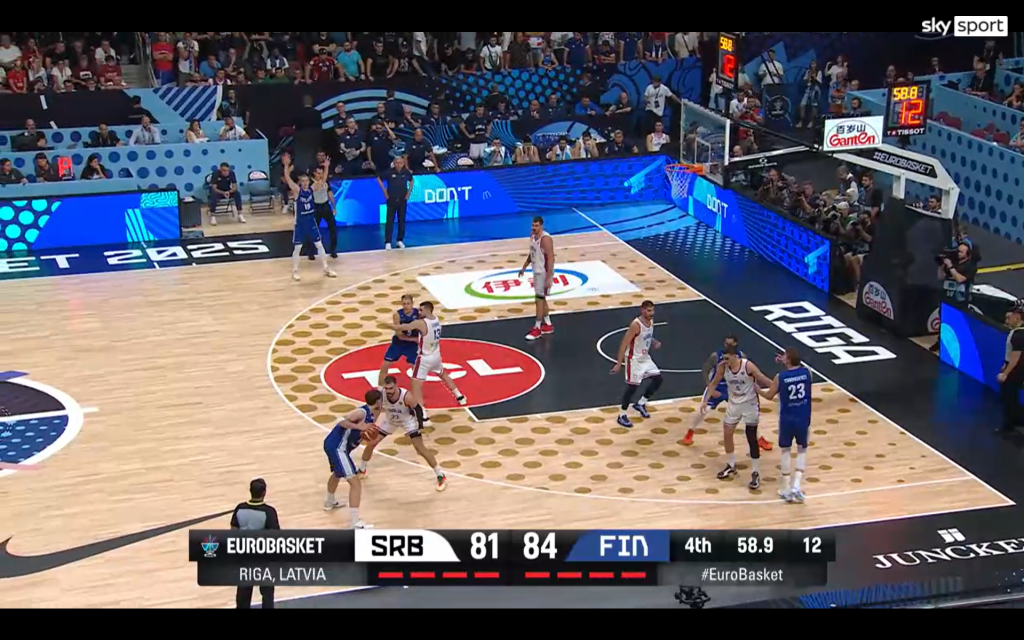
In a jaw-dropping turn of events at the FIBA EuroBasket 2025, Finland toppled tournament favorites Serbia with a stunning 92-86 victory in the Round of 16, bringing an abrupt end to the hopes of the Euro powerhouse.

Markkanen Leads the Charge

Lauri Markkanen delivered a dominant performance, pouring in 29 points and grabbing 8 rebounds. His leadership on both ends marked the foundation of Finland’s surprising upset.

Valtonen’s Clutch Masterclass

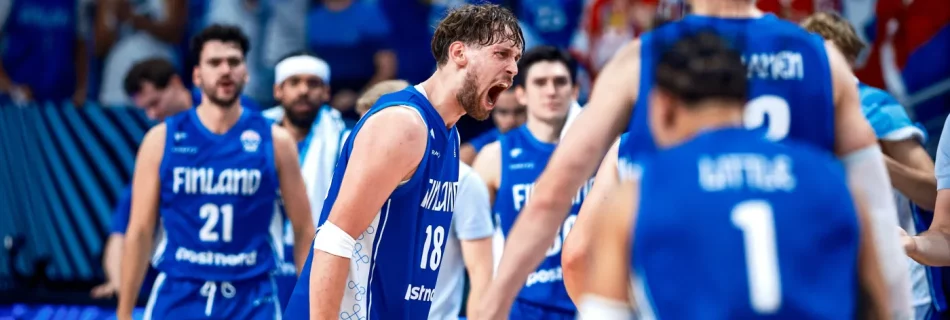
While Markkanen shone throughout, the game’s most dramatic moment came from Elias Valtonen, who exploded in the final minutes. He scored 10 of his 12 points late in the fourth quarter, including a dagger three-pointer over Jokic, and added key rebounds and assists to seal the victory.

“Amazing night… We just believed in each other today and just made it happen.”

Elias Valtonen

Defensive Breakdowns: Serbia’s Collapse Centered on Jokic

What made Finland’s run even more shocking wasn’t just the execution on offense, but Serbia’s inexplicable defensive breakdowns—most notably from Nikola Jokic, arguably the best player in the world. In five consecutive possessions, Finland repeatedly exploited Jokic’s positioning, turning small mistakes into decisive points.

Play 1 – Score: 77–75 Serbia
Valtonen catches the ball on the perimeter. Jokic bites on a simple pump fake, leaving the lane wide open. Valtonen drives past him and finishes at the rim for an easy layup.

Play 2 – Score: 77–77
On the very next possession, Valtonen initiates a drive. Markkanen, shadowed by Jokic, flashes from the low post to the free-throw line. Jokic stays planted in the paint, leaving Markkanen completely unguarded. Valtonen dishes the assist, and Markkanen hits the uncontested jumper.

Play 3 – Score: 77–79 Finland
Baseline inbound for Finland. Jokic rotates late to the perimeter, leaving Valtonen wide open on the wing. The Finnish forward calmly drills a deep three, extending the lead.

Play 4 – Score: 81–82 Finland
Markkanen drives and draws a double team. Jokic is caught ball-watching as Valtonen sneaks into rebounding position. He puts back the miss with no contest.

Play 5 – Score: 81–84 Finland
Another baseline inbound. Jokic sags several feet into the paint, daring Valtonen to shoot. With all the confidence of a man in rhythm, Valtonen takes the open shot and buries it, giving Finland a six-point cushion (81–87).

Valtonen’s Perfect Read vs. Serbia’s Flawed Strategy

In just five possessions, Valtonen made five correct reads, producing 10 points and 1 assist—effectively engineering a 12–4 run almost single-handedly. These were not circus shots or lucky bounces; they were the direct result of Serbia’s defensive choices, especially Jokic’s reluctance to step out of his comfort zone.

Was Serbia too focused on shutting down Lauri Markkanen, leaving other Finnish players with space to operate? If so, the gamble backfired spectacularly. By overcommitting on Markkanen, Serbia allowed Valtonen to step into the spotlight, punishing every mistake with composure and efficiency.

Reactions & Ramifications

  • Coach Lassi Tuovi expressed pride in the team’s belief, calling the win a monumental moment for Finnish basketball.
  • Svetislav Pešić, Serbia’s coach, admitted frustration: “Their 20 offensive rebounds were just unacceptable… they were more physical than us.”
  • Markkanen emphasized the collective effort: “It was an unreal performance by the team… We needed every single one of them tonight.”

This historic upset marks Finland’s first win over Serbia since 2009, and the first time they’ve reached back-to-back quarterfinals in EuroBasket history

What’s Next for Finland

Finland now moves on to the EuroBasket quarterfinals, where they’ll face the winner of the France vs. Georgia matchup.

Meanwhile, Serbia’s unexpected exit in the Round of 16 ends their Euros prematurely.

Final Thoughts

What began as a David versus Goliath tale turned into Finland’s crowning basketball moment. A collective effort led by Markkanen’s consistency and Valtonen’s clutch delivery toppled the giants of Serbian basketball. For fans of big underdog stories, this is EuroBasket 2025’s defining moment.

Embracing the Mamba Mentality: Unlocking Your Full Potential

In the world of sports and beyond, few mindsets have inspired as much passion and respect as the Mamba Mentality. Coined by the legendary Kobe Bryant, this philosophy isn’t just about basketball—it’s about approaching every challenge in life with relentless focus, unwavering determination, and a commitment to constant self-improvement. Whether you’re an athlete, entrepreneur, or simply someone striving to be your best self, the Mamba Mentality offers a roadmap to excellence.

What is the Mamba Mentality?
At its core, the Mamba Mentality is the pursuit of being the best version of yourself, every single day. It’s about embracing discipline, resilience, and a growth mindset. Kobe described it as “a constant quest to try to be the best version of yourself.” Unlike temporary motivation, the Mamba Mentality is a lifestyle—a daily commitment to work hard, learn from failures, and push beyond perceived limits.

Key Principles of the Mamba Mentality:

  1. Relentless Work Ethic:
    Kobe was known for his legendary work ethic—countless hours of practice, studying opponents, and perfecting his craft. Adopting the Mamba Mentality means being willing to put in the work when others take shortcuts.
  2. Focus and Discipline:
    The ability to concentrate on what truly matters is essential. Mamba Mentality is about prioritizing your goals, eliminating distractions, and staying consistent even when progress seems slow.
  3. Resilience and Overcoming Failure:
    Failure isn’t a setback—it’s a lesson. Every obstacle is an opportunity to learn and grow. Kobe’s career was filled with challenges, but he always bounced back stronger.
  4. Constant Improvement:
    Resting on past achievements is not an option. The Mamba Mentality requires a continuous desire to evolve, improve, and expand your skills.
  5. Mindset Over Talent:
    While talent is important, mindset defines true greatness. The Mamba Mentality teaches that determination, preparation, and mental toughness can surpass natural ability.

How to Apply the Mamba Mentality in Your Life:

  • Set clear goals: Define what success looks like for you.
  • Embrace daily discipline: Create routines that push you toward your objectives.
  • Seek discomfort: Growth happens outside of your comfort zone.
  • Reflect and learn: Analyze your performance and identify areas to improve.
  • Stay passionate: Love what you do and let that drive fuel your efforts.

The Mamba Mentality is more than a philosophy—it’s a call to action. It reminds us that greatness isn’t a destination; it’s a journey of relentless pursuit, discipline, and self-belief. By embracing this mindset, you can unlock your full potential, overcome obstacles, and achieve excellence in any area of life. As Kobe Bryant once embodied, it’s not just about being great on the court—it’s about being great in life.